Deconstructing the Imagined Queer Censorship in State-Socialist East-Central Europe
The Case of Hungarian Cinema
DOI:
https://doi.org/10.17892/app.2025.00021.378Keywords:
queer, history of sexuality, cultural studies, state socialism, epistemology, censorship, cinemaAbstract
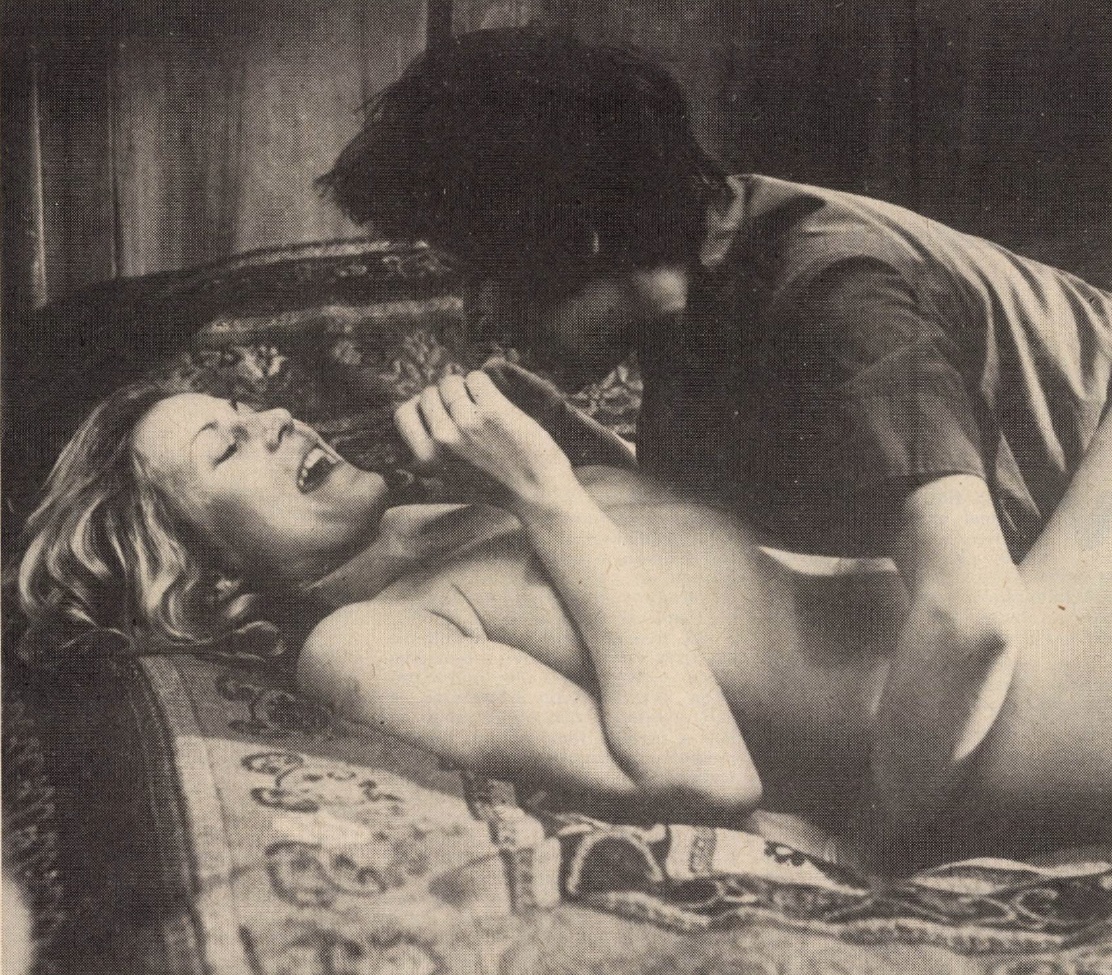
It is widely believed that during the political period of East Central European state socialism, the state authorities systematically suppressed the cultural visibility of sexual minorities due to a hypothetical politico-ideological motivation. In this paper, I systematically challenge the period of East Central European state socialism, when the state authorities systematically suppressed the cultural visibility of sexual minorities due to a hypothetical politico-ideological motivation. While no evidence supports this view, and the idea of queer censorship is undisturbed in the narratives of academic, political and mainstream discourses, no comprehensive argument to the contrary has been published. The concept of state socialism as a period of systematic queer censorship through the example of the post-Stalinist Hungarian People's Republic. First, using mixed-methods research, primarily qualitative analysis, I examined the legal context and political actions concerning sexual minorities and the theory of censorship methods, finding no theoretical link between the existence of sexual minorities from a political standpoint and censorship policies. Second, to test for possible discrepancies between theory and practice, I then conducted a quantitative analysis of Hungarian cinema, which likewise reveals no evidence of state-level queer censorship. On the contrary, the state actively supported queer representation, as evidenced by the distribution of 92 foreign queer films and the state-financed production of 9 Hungarian queer feature films.
Downloads
Published
How to Cite
Issue
Section
License
Copyright (c) 2025 Apparatus. Film, Media and Digital Cultures of Central and Eastern Europe

This work is licensed under a Creative Commons Attribution 4.0 International License.
The articles in Apparatus are published under https://creativecommons.org/licenses/by/4.0/ This license does not apply to the media referenced, which are subject to the individual rights owner's terms.
The authors hold the copyright without restrictions and retain publishing rights without restrictions.